The Used-Car Pre-Purchase Inspection Checklist: 9 Steps to Buy with Confidence

0

A used car doesn't come with a blank history — it arrives with stories written in its tyres, its service book, and its chassis. Whether you're shopping for a Toyota Hilux workhorse, a Mercedes-Benz sedan, or a practical Wuling or Haval, a focused 30–60 minute inspection can be the difference between a smart buy and a financial headache. This checklist is built for African and international buyers, with the climate, road, and import realities that matter here.

Before you hand over a deposit, walk the car through these nine steps. You are not just buying a vehicle; you are buying its past. The goal isn't to become a mechanic overnight — it's to spot the red flags that turn a "great deal" into a money pit.

1. Research the model and ask for the VIN

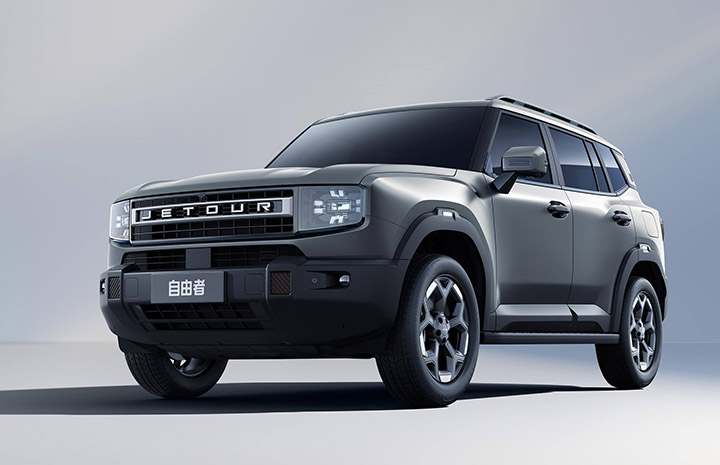
Every model has known weak points. For example, diesel Toyota Hilux trucks are famously tough, but high-mileage examples can show worn leaf-spring bushings, tired shock absorbers, and — on earlier 3.0 D-4D engines — injector seal issues that sludge the oil if ignored. Mercedes-Benz, Wuling, Haval and Jetour each have their own patterns. Look up common faults and the cost of spare parts before you inspect. Then request the Vehicle Identification Number (VIN) so you can verify manufacturing details and check for recalls and ownership records.


Compare the market price

Search the same year, variant, and mileage in your region. If a listing sits far below the rest, assume there's a reason — accident damage, a dodgy title, or hidden mechanical faults. A low price is not a discount; it's often a warning.

Inspect the Exterior in Daylight

Body, paint, and rust

Always inspect in good daylight. Walk the car slowly and look for:

  • Mismatched paint or uneven panel gaps — signs of accident repair.
  • Rust, especially on coastal-import units. In humid, salty air, rust starts at door bottoms, wheel arches, and the underbody. Surface rust is manageable; structural rust near the chassis rails is a deal-breaker.
  • Filler hiding under fresh paint. A small magnet that won't stick to a panel can reveal body filler concealing old damage.

Tyres and wheels

Tyres tell the truth about alignment and suspension. Check for uneven wear (feathering or cupping points to misalignment or worn suspension), sidewall cracks, and the manufacture date — tyres older than five years are risky even with tread left. Replacing a full set of four is a real cost, so factor it into your negotiation. Don't forget the spare.

2.Look Under the Bonnet

Fluids, belts, and the cold start

Ask the seller not to warm the engine before you arrive. Then check:

  • Engine oil — should be between the marks, not burnt-smelling, and never milky (milky oil signals coolant mixing and possible head-gasket failure).
  • Coolant and brake fluid — clean and at the right level. A freshly washed engine bay can hide leaks, so be cautious if it looks suspiciously spotless.
  • Belts and hoses — no cracks, fraying, or shiny worn spots.
  • The cold start itself — listen for knocking, ticking, rough idle, or excessive vibration.


Watch the exhaust: persistent white smoke can mean a coolant issue, blue smoke means burning oil, and black smoke points to the fuel system. A little vapour on a cold morning is normal; thick smoke is not.

Check the Cabin and Electronics

Interior, warning lights, and features

Turn the ignition on without starting. All warning lights should illuminate briefly, then go out after the engine runs. A Check Engine, ABS, or airbag light that stays on demands a diagnostic scan. Test the air conditioning (a weak compressor is an expensive fix), power windows, central locking, infotainment, and mirrors. Strange smells — mould from water damage or heavy air-freshener masking smoke — are quiet red flags. Worn driver's seats on a low-mileage car can hint at odometer tampering.

Verify the Paperwork

Documents, history, and legal status

This step matters even more for imported vehicles. Confirm:

  • The VIN on the body matches the registration and title documents.
  • A clean title — not salvaged or rebuilt after a total loss.
  • A service history with consecutive stamps; for diesels, regular oil changes (often every 7,500–10,000 km in dusty conditions) are non-negotiable.
  • No outstanding finance — a vehicle with unpaid hire-purchase debt can legally be reclaimed by the lender.
  • For cross-border imports, the correct customs, duty, and compliance paperwork for your country (and the right LHD/RHD configuration for your market).


1.Drive It and Get a Second Opinion

The test drive

Take it on varied roads. Feel for brakes that pull, a vague or wandering steering, clunks over bumps, or hesitation on acceleration. Switch the radio and fan off and listen. A plugged-in OBD2 scanner (an inexpensive tool) can reveal hidden diagnostic trouble codes — and incomplete "readiness" monitors may mean someone cleared codes to hide a fault just before the sale.

Bring in a professional

Even confident buyers benefit from a qualified mechanic's inspection — especially for the underbody, chassis rust, and turbo or clutch condition on diesel pickups. A small inspection fee is cheap insurance against a four-figure repair bill.

Pro Tip

Do the "magnet test" and the "cold-start" check on every used vehicle, but add one Africa-specific habit: inspect the underbody with a torch if the car came from a coastal or high-humidity region — chassis-rail rust is the single most expensive surprise on imported trucks. And never skip the finance and stolen-vehicle check; a bargain you can't legally keep is no bargain at all.

发表回复

您的邮箱地址不会被公开。 必填项已用 * 标注